Defending the Breed: The Gentle Soul Behind the Pitbull’s Powerful Frame
Often painted with a broad brush of aggression and unpredictability, the pitbull has become one of the most misunderstood dog breeds in the world. Their powerful build and historical origins have unfortunately fueled a narrative of fear, overshadowing the true nature of these remarkably loyal and affectionate companions. This article seeks to dismantle the myths and shed light on the gentle soul that resides within the formidable frame of a pitbull.
Unraveling a Complicated History
The term “pitbull” itself is often a source of confusion, as it doesn’t refer to a single breed but rather an umbrella term for several breeds with similar physical characteristics, including the American Pit Bull Terrier, the American Staffordshire Terrier, and the Staffordshire Bull Terrier. The lineage of these dogs can be traced back to 19th-century England, where they were developed from crosses between bulldogs and terriers for cruel blood sports.
This unfortunate history is the root of many of the negative stereotypes that plague these dogs today. However, it’s crucial to understand that these dogs were also bred for qualities that made them good companions. For instance, despite their tenacity in the ring, they were bred to be exceptionally friendly towards humans. When these dogs were brought to America, they took on a more versatile role as all-purpose farm dogs, hog catchers, and loyal family guardians, earning a place as a cherished part of American culture.
Confronting Prevalent Misconceptions
Pervasive myths contribute to the negative perception of pitbulls, but a closer look at the facts reveals a very different story. One of the most persistent and dangerous falsehoods is the idea that pitbulls have “locking jaws.” Anatomically, a pitbull’s jaw is no different from any other dog’s; there is no special mechanism that allows them to “lock” on. Their determination and strength can make their bites severe, but this is a characteristic of many powerful breeds, not a unique and sinister trait.
Furthermore, the notion that pitbulls are inherently aggressive towards people is simply not supported by evidence. In fact, temperament tests conducted by the American Temperament Test Society (ATTS) show that pitbull-type dogs consistently score above the average for all dog breeds, often surpassing breeds with much gentler reputations. Like any dog, their temperament is a product of their breeding, training, and socialization, not an inherent flaw. Studies have also shown that no single breed is more likely to bite than another. Factors such as a lack of training, socialization, neglect, and whether the dog is spayed or neutered are far more significant predictors of aggression than breed.
The Heart of a Companion
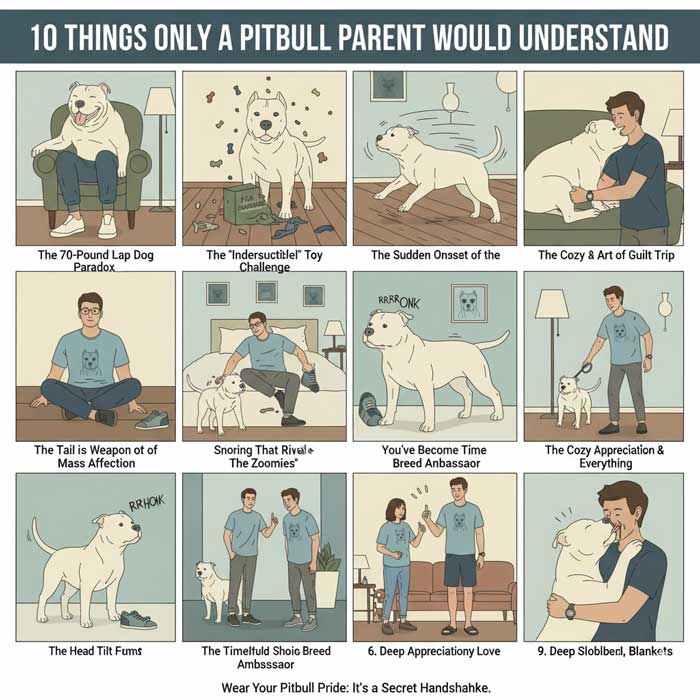
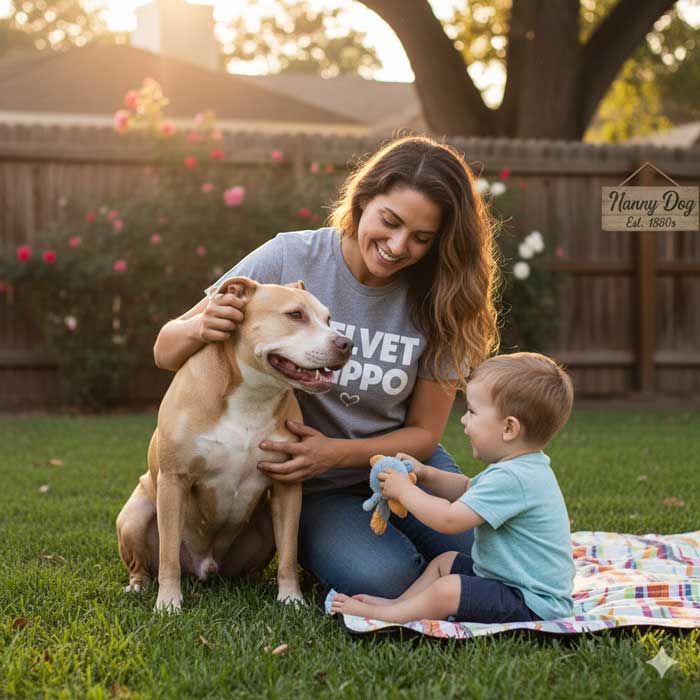
Beneath their muscular exterior lies a heart of gold. Pitbulls are known for their unwavering loyalty and deep affection for their families. Many owners describe them as “velcro dogs” for their tendency to stick close to their people. They are also highly intelligent and eager to please, which makes them very trainable.
These dogs possess a playful and energetic nature, thriving on physical activity and mental stimulation. Daily exercise is crucial for their well-being and helps to prevent behavioral issues that can arise from boredom. Despite their tough appearance, pitbulls can also be quite sensitive and form strong bonds with their human companions.
The Power of Responsible Ownership
The key to a well-behaved and loving pitbull lies in the hands of its owner. Responsible ownership is paramount in shaping the personality and behavior of any dog, but it is especially critical for powerful breeds that carry the weight of public prejudice.
Early and consistent socialization is vital. Exposing a pitbull puppy to a wide variety of people, places, and other animals in a positive and controlled manner will help them grow into a confident and well-adjusted adult. Positive reinforcement training methods are highly effective with this intelligent breed and help to build a strong, positive bond between the dog and its owner. Furthermore, providing regular exercise, proper veterinary care, and spaying or neutering your dog are all essential components of responsible ownership.
By understanding their true nature and committing to responsible ownership, we can begin to dismantle the unfair stereotypes that have plagued these loving and loyal dogs. It is time to look beyond the headlines and the powerful frame to see the gentle soul that truly defines the pitbull.